 USD
USD











How do GLP-1 medicines help improve sleep?
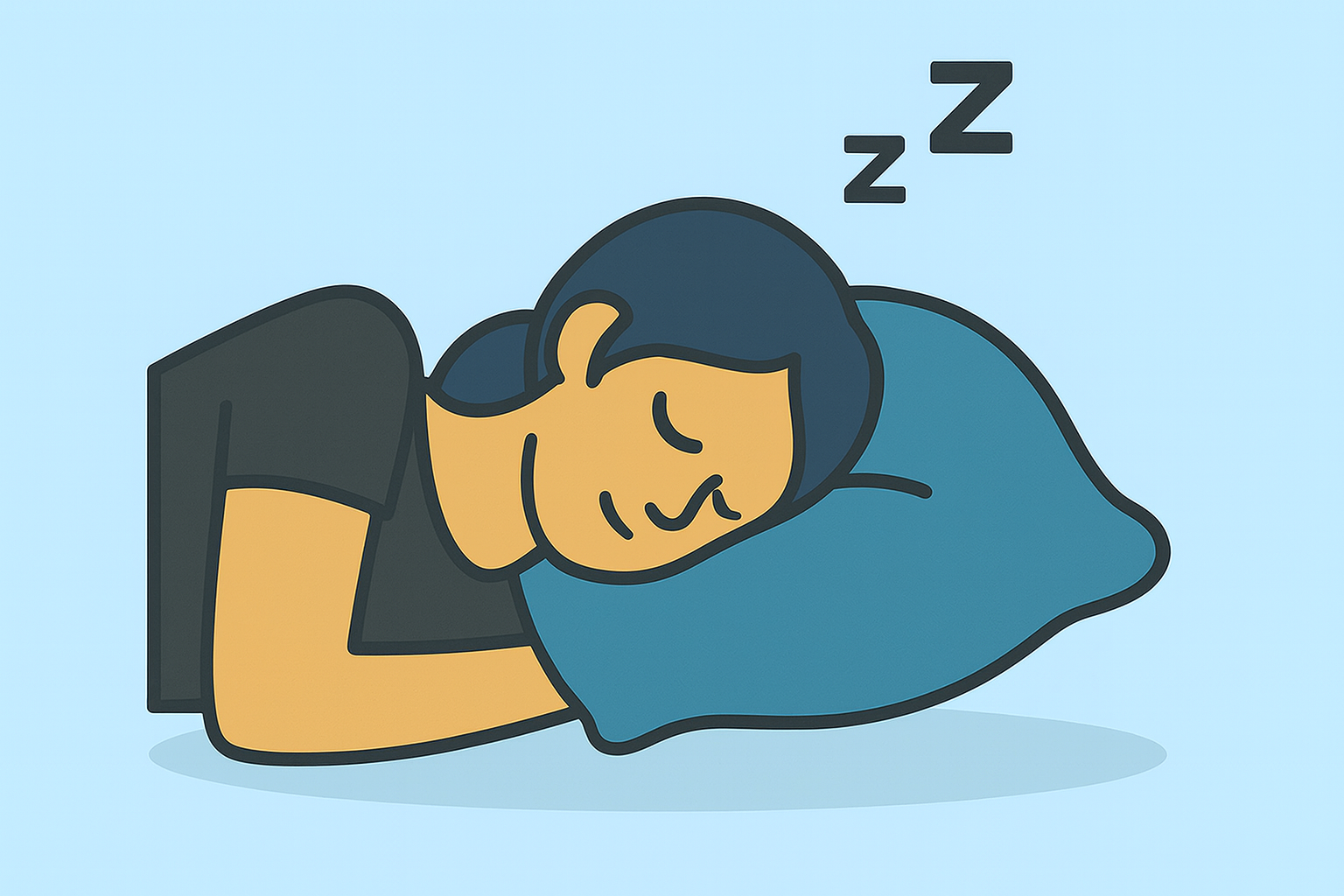
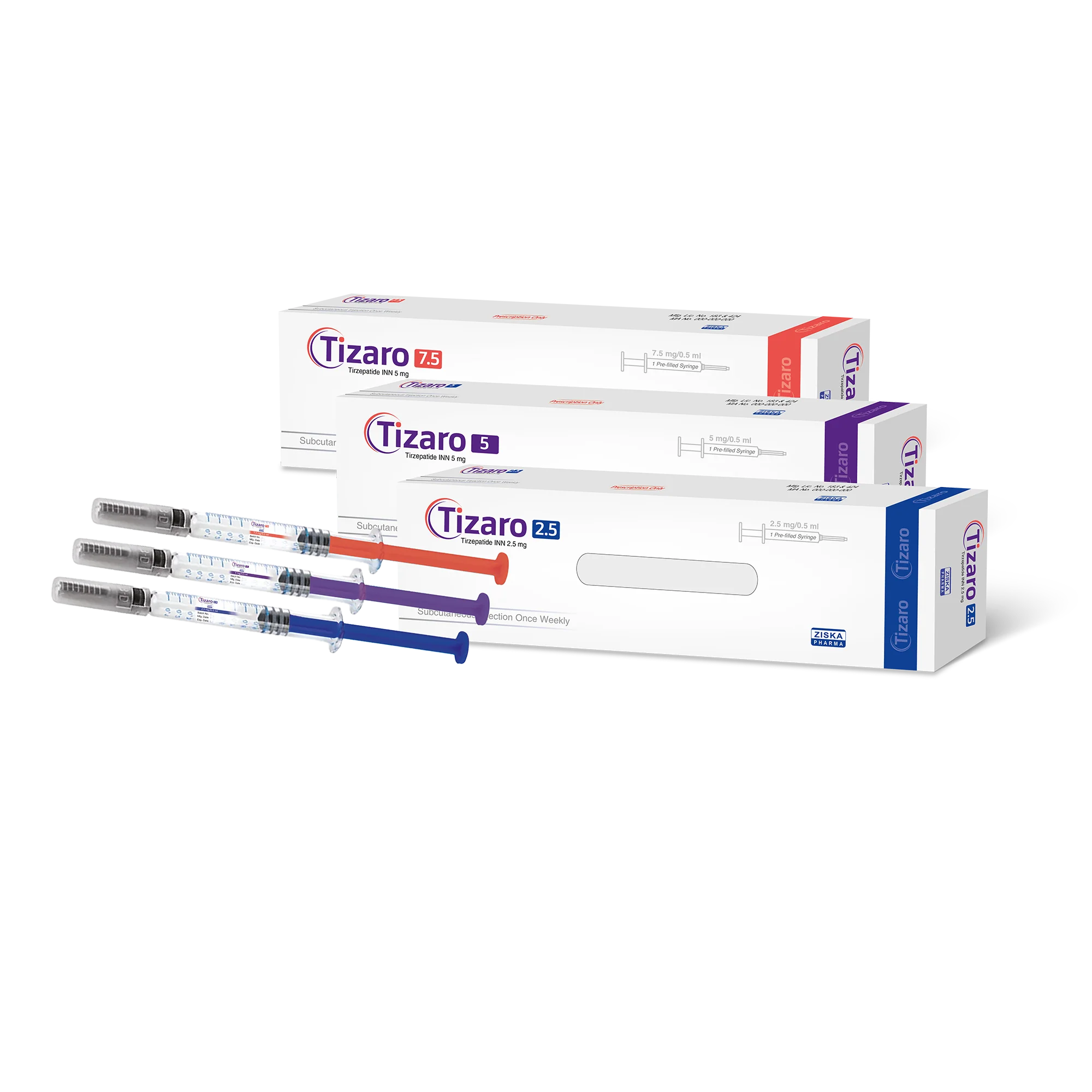
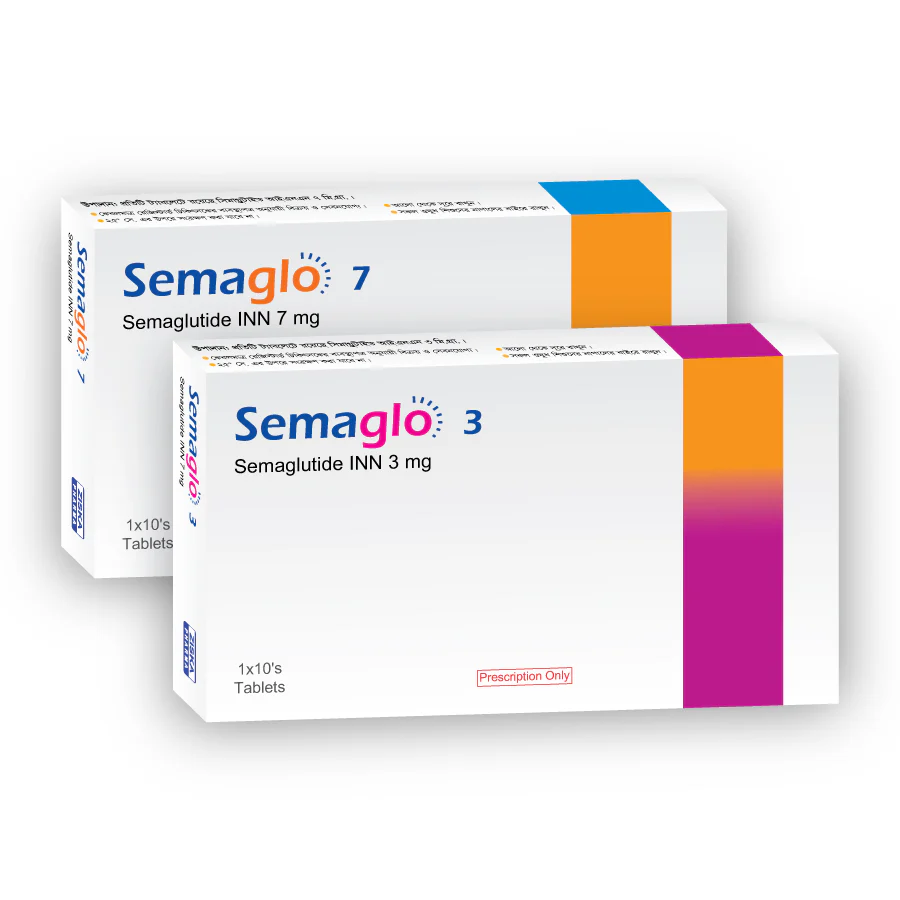
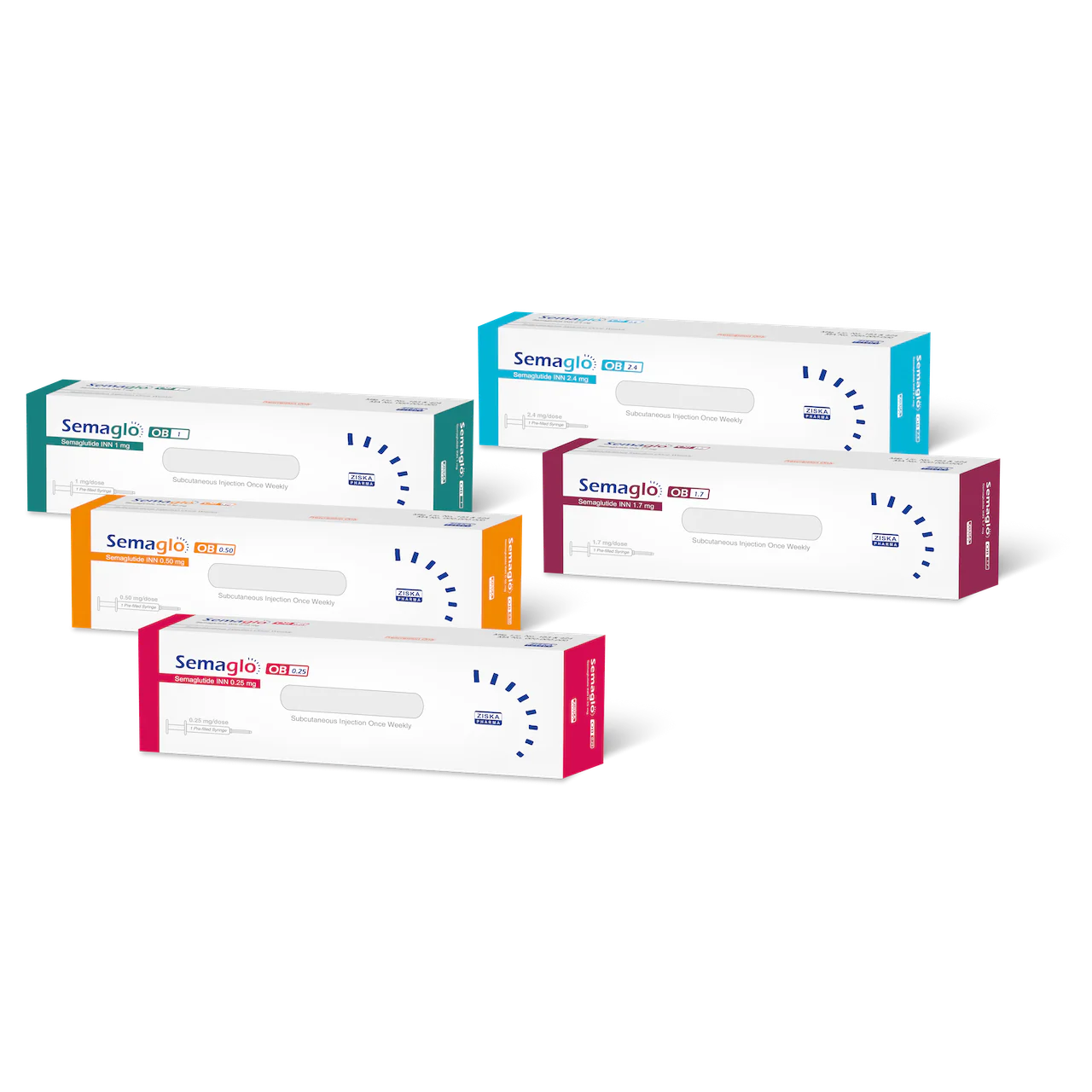
In recent years, GLP-1 medications (such as Tirzepatide Tirzepatide, Semaglutide Semaglutide) have become the focus of global attention because they can effectively support weight loss and stabilize blood sugar in patients with type 2 diabetes. However, after the U.S. FDA approved Tirzepatide for the treatment of obstructive sleep apnea (Obstructive Sleep Apnea, OSA), the role of this class of drugs is rapidly expanding beyond “weight loss” alone.
Experts point out that this approval marks an important turning point in the field of sleep medicine.
“Treatment for sleep apnea is moving from relying only on devices such as CPAP (continuous positive airway pressure) into an era where medications can also play a role,” said sleep medicine specialist Atul Malhotra of the University of California, San Diego. “And it is not just about weight loss. GLP-1 drugs may also improve metabolism and inflammation, and may even offer benefits for the nervous system.”
Why can weight loss improve obstructive sleep apnea?
For many patients, weight loss is the most important factor in improving obstructive sleep apnea.
“Obesity is the main—and also the most modifiable—risk factor for sleep apnea,” said Dr. Alcibiades Rodriguez of NYU Langone Medical Center. “Whether through traditional weight loss, bariatric surgery, or now with GLP-1 medications, as long as patients successfully lose weight, their sleep apnea often improves and can even completely resolve.”
Early on, Dr. Rodriguez prescribed GLP-1 medications to patients for diabetes or weight loss and then noticed that their sleep apnea improved as well. Now that Tirzepatide has been approved for the treatment of sleep apnea, he has begun to formally incorporate this drug into treatment plans.
“We already have many patients who, after significant weight loss, have gone from needing a CPAP device every night to almost not needing it at all, and some have stopped using it completely,” he said.
FDA’s first-ever approved medication for sleep apnea
In late 2024, the U.S. FDA approved Tirzepatide for the treatment of obstructive sleep apnea, making it the first medication in history to be approved for this condition.
Previously, treatment for sleep apnea relied primarily on:
• CPAP devices
• Oral appliance therapy (mandibular advancement devices)
• Surgery in selected cases
Pharmacological treatment had seen no significant breakthroughs.
The core basis for this approval came from the SURMOUNT-OSA clinical trial. Led by Dr. Malhotra, the trial showed that:
-
Obese patients treated with Tirzepatide experienced a marked reduction in the severity of obstructive sleep apnea
-
Some patients improved from severe to mild disease, and some even returned to a normal range
-
The improvements were not only due to weight loss, but were also related to reductions in systemic inflammation and better respiratory function
Because patients often complain that CPAP devices are inconvenient and uncomfortable, the FDA’s approval immediately drew widespread attention.
“Many patients called our clinic on the very day of the announcement,” said Dr. Rodriguez. “We finally have a drug option that can directly improve metabolism, reduce cardiovascular risk, and also improve obstructive sleep apnea.”
Researchers believe this is only the first step. GLP-1 medications are currently being studied for a growing list of conditions, including:
-
Neurodegenerative diseases (such as Alzheimer’s disease)
-
Anxiety and depression
-
Cardiovascular disease
Why do GLP-1 medications help with obstructive sleep apnea?
1. Weight loss brings the most direct improvement
Obstructive sleep apnea is caused by repeated collapse and blockage of the upper airway during sleep, leading to intermittent pauses in breathing. People with obesity are more likely to develop sleep apnea because excess fat around the neck makes the airway narrower.
Tirzepatide acts on both GLP-1 and GIP receptors, reducing appetite and food intake and enabling patients to lose an average of 18%–20% of their body weight. This substantially reduces pressure on the airway and helps decrease the frequency of apnea events.
2. Anti-inflammatory effects
Obstructive sleep apnea triggers chronic inflammation, and inflammation further narrows and swells the airway, creating a vicious cycle.
GLP-1 medications can lower inflammatory markers in the body (such as hs-CRP), which may break this cycle, stabilize the airway, and improve sleep quality.
3. Better metabolism and circadian rhythm
Sleep and metabolism are closely linked. When blood sugar is stable and the body’s circadian rhythm is well regulated, sleep quality generally improves. Experts speculate that GLP-1 medications may help normalize sleep by improving metabolic health.
4. Potential benefits for anxiety and mood
Studies suggest that GLP-1 medications may improve mood and reduce anxiety and depression. Sleep is closely tied to mental health, so improvements in mood may indirectly enhance sleep as well.
Clinicians also hypothesize that GLP-1 medications may have “neuroprotective” effects, which could have implications for future treatments of conditions such as Alzheimer’s disease.
GLP-1 is not a cure-all and still needs to be combined with lifestyle management
Although GLP-1 medications represent a major breakthrough, experts also stress that:
They are not a universal cure for all cases of obstructive sleep apnea. About 20% of patients with sleep apnea are not obese, but instead have:
-
Retrognathia (receding jaw)
-
Congenitally narrow upper airway
-
Specific craniofacial structures
In such patients, sleep apnea may persist even after weight loss.
In addition:
-
In children, sleep apnea is usually caused by enlarged tonsils, which GLP-1 medications cannot address
-
Adults who use GLP-1 medications still need to maintain a healthy diet and exercise to prevent loss of muscle mass
-
If lifestyle does not change after stopping the medication, weight is likely to rebound
“GLP-1 medications are important game-changing tools, but they are not magic,” said Dr. Rodriguez. “What truly improves long-term health is sustained weight management and lifestyle change.”
Looking ahead
Researchers believe that GLP-1 medications will play increasingly important roles in obesity, sleep, mental health, and neurological diseases.
“This is just the beginning,” said Dr. Malhotra. “We are witnessing a class of medications that can simultaneously bring improvements in metabolism, inflammation, and neural health. This will transform how many diseases are treated.”
Even so, physicians continue to emphasize that:
GLP-1 should be part of a “comprehensive treatment plan,” not a stand-alone solution. Patients still need to:
-
Consult with a registered dietitian
-
Maintain regular exercise habits
-
Practice long-term weight control
-
Use CPAP devices when needed
These remain essential components of care.
This article was originally published on Endocrinology Advisor. Mediva Rx translated and lightly adapted it into Chinese.
Disclaimer: The information provided here is for reference only. Specific treatment choices should follow your doctor’s advice, the official prescribing information, and the latest clinical evidence.
GLP-1 Weight Management
GLP-1 medicines are FDA-approved for type 2 diabetes and weight management.
The leading options are tirzepatide (Eli Lilly) and semaglutide (Novo Nordisk).
Mediva Rx provides equally effective, more affordable generic versions.
-
Generic Mounjaro