 USD
USD











GLP-1: From “weight-loss injections” to a new hope for addiction treatment?
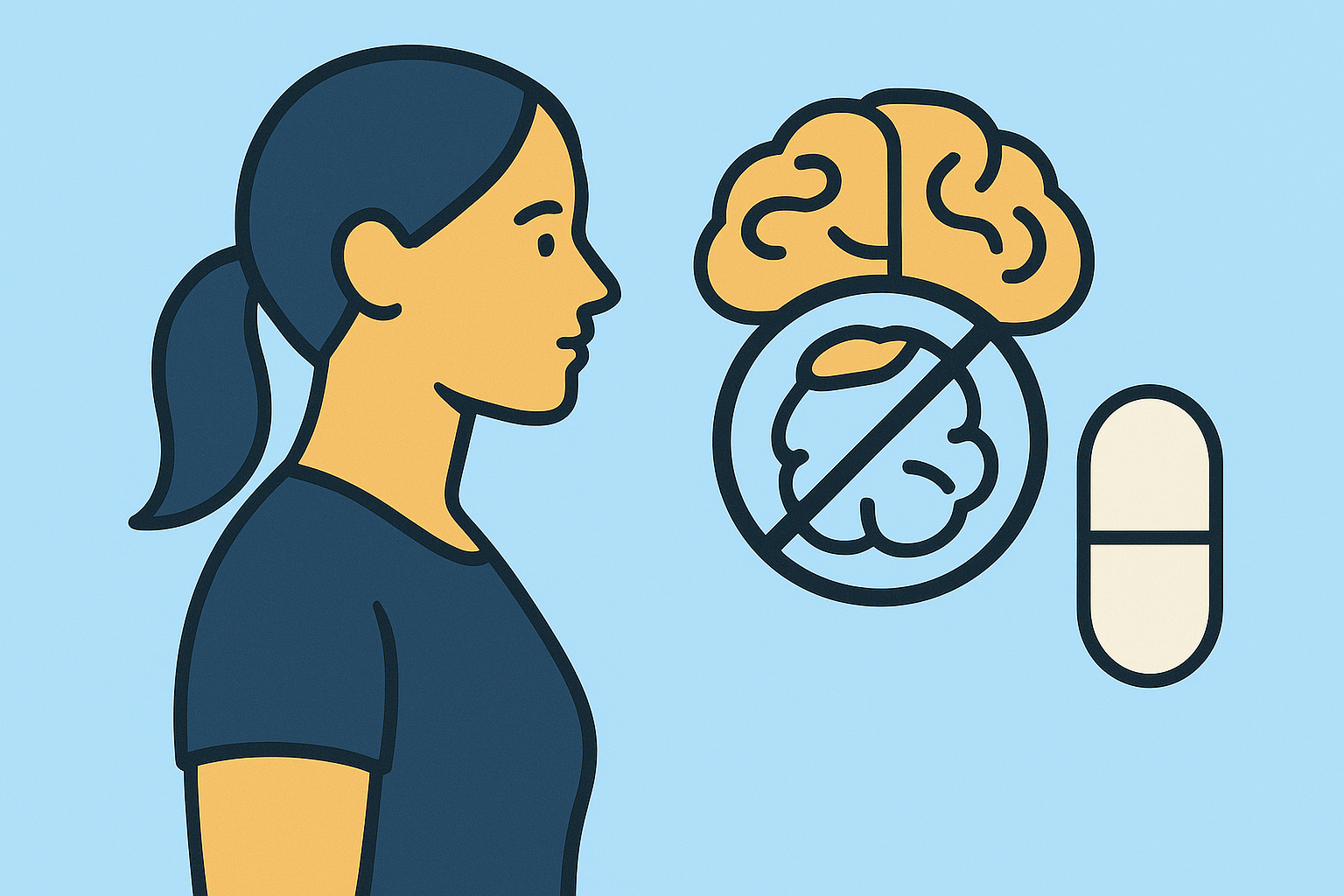
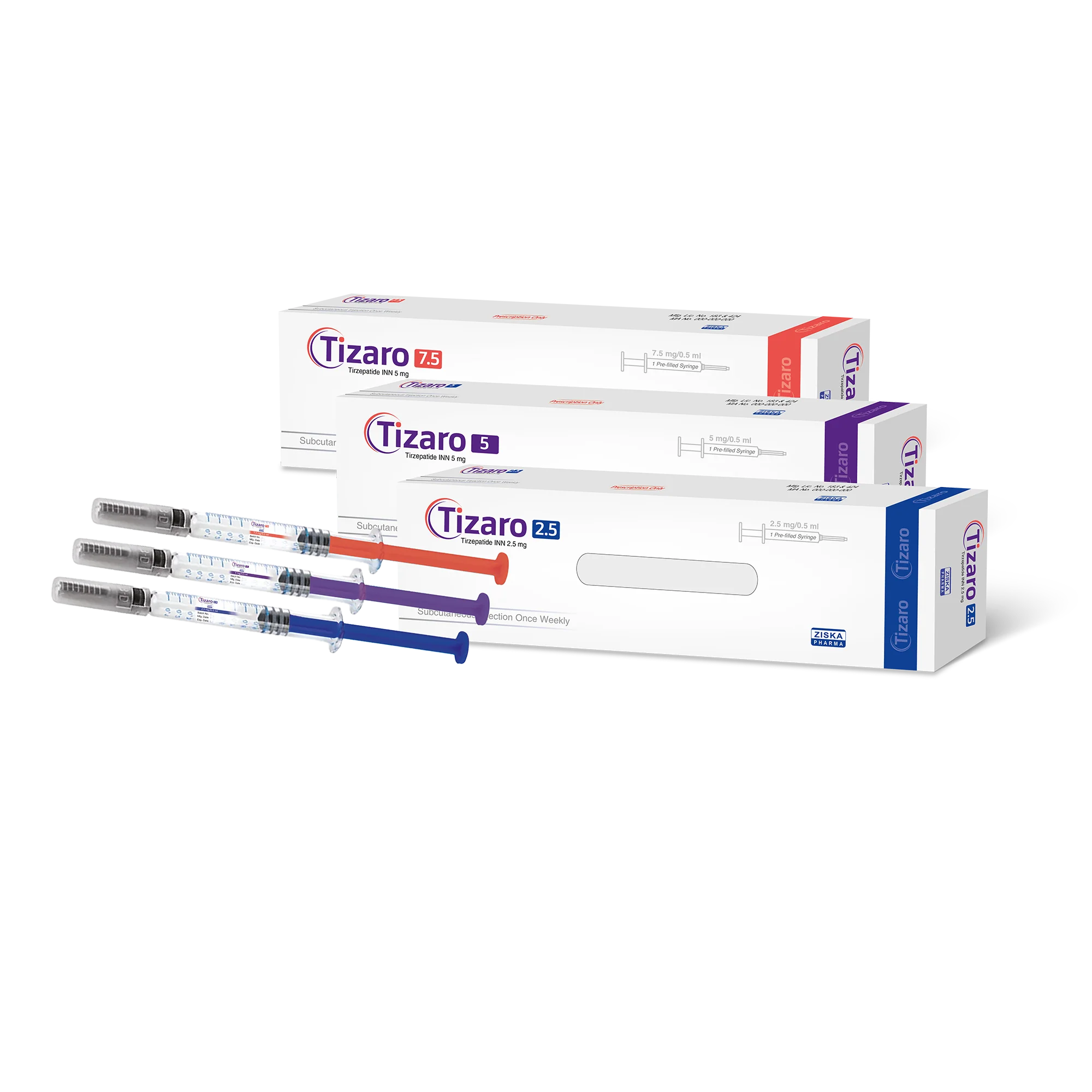
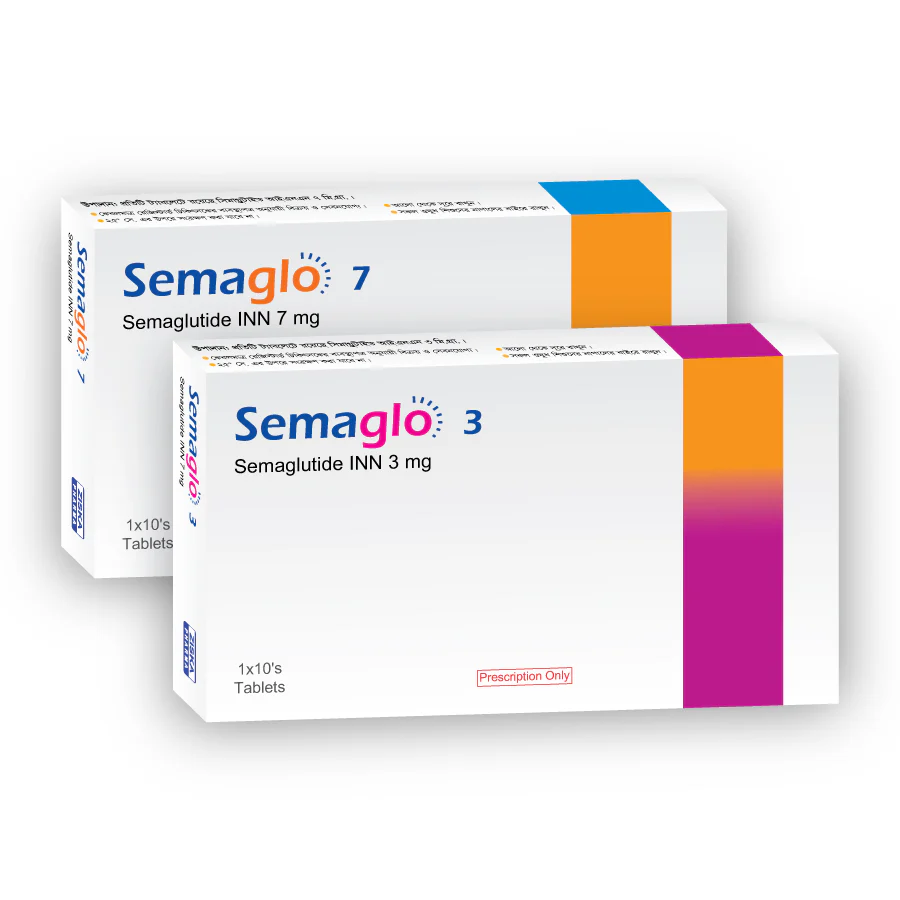
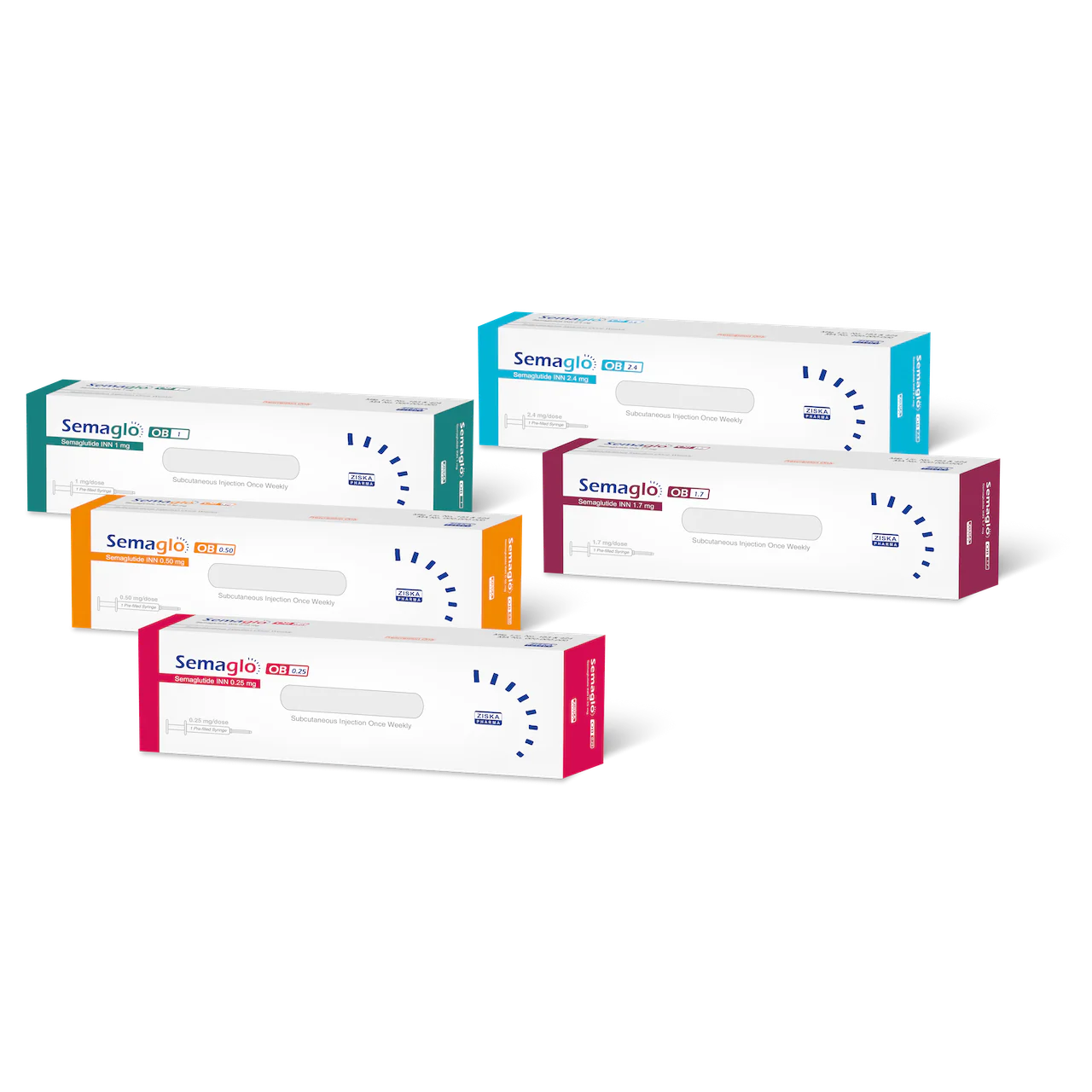
In recent years, almost every hot topic in weight management has involved “GLP-1 weight-loss injections”—for example, Wegovy and Ozempic, which contain Semaglutide, and Mounjaro and Zepbound, which contain Tirzepatide. These drugs were originally developed for diabetes and obesity, but an increasing number of studies suggest that GLP-1 medications may also “quiet” intense cravings in the brain for alcohol, food, and even gambling, opening up new possibilities in addiction psychiatry. (National Center for Biotechnology Information)
This article summarizes the latest research from leading international journals and institutions on GLP-1 and the scientific evidence behind its potential role in “addiction and craving control.” It will also remind readers that most of these indications are still in the research stage and that GLP-1 should not be regarded as a “magic cure” for addiction.
1. What Is GLP-1? What Has It Actually Been Approved for?
GLP-1 (Glucagon-like peptide-1) is a gut hormone that affects:
-
Insulin secretion
-
Suppression of glucagon
-
Gastric emptying speed
-
Appetite and satiety signals in the brain
Common GLP-1 medications include:
-
Semaglutide:
-
Ozempic: Approved for improving glycemic control in adults with type 2 diabetes and reducing the risk of cardiovascular events. (FDA Access Data)
-
Wegovy: Approved for weight management in adults with obesity or overweight and related comorbidities. In 2024, it was also approved by the U.S. FDA to reduce the risk of major adverse cardiovascular events such as heart attack and stroke in high-risk patients. (U.S. Food and Drug Administration)
-
-
Tirzepatide:
-
Mounjaro: Approved for type 2 diabetes. (Medscape Reference)
-
Zepbound: Approved for weight management in adults with obesity or overweight, and in 2024 it became the first FDA-approved medication for the treatment of moderate to severe obstructive sleep apnea (OSA). (U.S. Food and Drug Administration)
-
Important reminder:
As of now, the main approved indications for GLP-1 medications are still “diabetes, weight management, and metabolic complications such as cardiovascular disease and sleep apnea.” They have not been formally approved for treating alcohol or other substance use disorders. Research in this area is still exploring potential “additional benefits.”
2. Why Might GLP-1 Weight-Loss Injections Also Affect Addiction and Cravings?
Traditionally, GLP-1 is viewed as a hormone that regulates blood sugar and appetite. However, recent neuroscience research shows that:
-
GLP-1 receptors are widely distributed in brain regions involved in reward and motivation, such as the nucleus accumbens, ventral tegmental area (VTA), and prefrontal cortex. (Nature)
-
These regions are key nodes in many addiction studies, strongly linked to dopamine, pleasure, and craving.
In animal experiments, multiple studies have shown that:
-
GLP-1 receptor agonists (such as Exendin-4, Liraglutide, Semaglutide, etc.)
-
Can reduce voluntary alcohol intake
-
Decrease stress-induced relapse
-
Suppress alcohol-induced dopamine release and reward effects in the nucleus accumbens (PMC)
-
A 2025 review article in Endocrinology further summarized that GLP-1 receptor agonists in animal models not only suppress alcohol intake, but also show potential inhibitory effects on behaviors related to other substances (such as cocaine and nicotine). Therefore, GLP-1 is being viewed as “an emerging therapeutic target for addictive disorders.” (PMC)
In simple terms, GLP-1 medications may act through both:
-
Peripheral metabolic effects: Stabilizing blood glucose, slowing gastric emptying, and increasing satiety;
-
Central nervous system effects: Reducing dopamine signaling in reward circuits, thereby weakening the “pleasure and craving” associated with food, alcohol, and other rewards.
This also helps explain why some patients report that after starting GLP-1 weight-loss injections, “I don’t just feel less hungry; my urges to drink, smoke, or gamble also feel weaker.”
3. Clinical Trial Evidence for Semaglutide in Alcohol Use Disorder (AUD)
Historically, evidence linking GLP-1 to alcohol use has primarily come from animal experiments and observational studies. In 2025, however, JAMA Psychiatry published a key randomized controlled trial that, for the first time, evaluated the effects of once-weekly subcutaneous Semaglutide in adults with alcohol use disorder (AUD). (JAMA website)
The main features of this trial included:
-
Population: Adults diagnosed with AUD
-
Intervention: Low-dose, once-weekly Semaglutide vs. placebo
-
Primary outcomes:
-
Alcohol craving
-
Alcohol consumption (e.g., number of drinks per occasion, number of heavy drinking days)
-
Results showed that:
-
In laboratory alcohol self-administration tests, the Semaglutide group had a significant reduction in the amount of alcohol consumed and peak breath alcohol concentration;
-
In real-world settings, there were also improvements such as fewer drinks per drinking day and reduced craving scores. (PubMed)
The authors drew cautious but clear conclusions:
Low-dose Semaglutide can reduce alcohol craving and improve several drinking-related outcomes, justifying larger and more definitive clinical trials. (PubMed)
Meanwhile, population-based database and registry studies have observed that patients treated with GLP-1 receptor agonists appear to have a lower subsequent risk of alcohol-related events (such as alcohol-related hospitalizations) than non-users. (Nature)
4. Not Just Alcohol? Potential Effects on Other Addictive Behaviors
At present, the strongest evidence relates to GLP-1’s effects on alcohol use, but leading endocrine and addiction organizations have begun to examine its potential impact on other addictions.
The Endocrine Society in the United States noted in a 2025 press release that:
-
Multiple animal studies indicate GLP-1 receptor agonists can reduce drug self-administration behaviors;
-
Preliminary human data show that Semaglutide can reduce craving and drinking among patients with alcohol use disorder;
-
Additional clinical trials are underway to investigate GLP-1’s role in “alcohol and drug addiction.” (Endocrine Society)
Some clinical observations and case reports also suggest that, after starting GLP-1 therapy, certain patients subjectively experience:
-
Reduced cravings for high-sugar and high-fat foods
-
Weaker impulses to smoke, use certain substances, or engage in gambling
That said, it is crucial to emphasize:
For “nicotine dependence, drug addiction, gambling addiction, sexual addiction,” and other conditions, most evidence remains limited to animal studies, theoretical discussions, or small case reports. There is still a lack of large, rigorous randomized controlled trials in humans to support routine clinical use. (PMC)
5. Safety and Limitations: Why GLP-1 Cannot Yet Be Used as a Dedicated “Addiction Drug”
Although GLP-1 medications have strong evidence for weight loss, metabolic health, and cardiovascular risk reduction, several important limitations remain in the field of addiction treatment:
-
Indications are not yet approved
-
For both Semaglutide and Tirzepatide, the indications approved by the FDA and most regulatory agencies remain “diabetes, obesity, cardiovascular risk reduction, and OSA” and other metabolic-related diseases;
-
No GLP-1 drug has been formally approved for the treatment of alcohol use disorder or other addictive disorders. (National Center for Biotechnology Information)
-
-
Side effects and risks must be carefully assessed
-
Common side effects include nausea, vomiting, diarrhea, constipation, and gastrointestinal discomfort;
-
Rare but serious risks include pancreatitis and gallbladder disease, which require physician evaluation based on medical history and appropriate tests. (National Center for Biotechnology Information)
-
-
Not everyone is a suitable candidate
-
Patients with certain family histories (such as medullary thyroid carcinoma), severe gastrointestinal conditions, or some endocrine diseases may not be appropriate candidates for GLP-1 therapy;
-
Those who are underweight, malnourished, or have severe psychiatric illnesses also require extra caution.
-
-
Addiction is a biopsychosocial disorder
While GLP-1 may help reduce cravings and drinking, addiction treatment still needs to be combined with:-
Psychotherapy and motivational interviewing
-
Behavioral therapies and support systems
-
Other psychiatric medications when necessary
-
6. What This Means for Asian Readers: The Intersection of Obesity, Metabolic Syndrome, and Addiction
In many Asian societies, an increasing number of patients face overlapping problems such as:
-
Overweight, fatty liver disease, and type 2 diabetes
-
Long-term drinking, stress-related eating, late nights, and eating out frequently
-
Among some groups, additional risks such as anxiety, depression, gambling, or mobile/online gaming addiction
For these individuals, the potential value of GLP-1 medications lies in their ability to “kill several birds with one stone”:
-
Promoting weight loss and improving insulin resistance
-
Reducing liver and cardiovascular risks
-
Potentially decreasing cravings for high-calorie foods and alcohol at the same time
International research is also increasingly focused on questions such as:
In patients with both obesity and problematic drinking, can GLP-1 medications improve metabolic health and addictive behaviors simultaneously, helping them “see physical improvements first, then gradually move toward more stable abstinence or reduced drinking”? (The Lancet)
7. Gentle Reminders: Embrace the Hope, Stay Scientific and Cautious
-
GLP-1’s potential in addiction treatment is real, but evidence is still in the early stages
-
Randomized controlled trials have shown that Semaglutide can reduce alcohol cravings and improve some drinking behaviors. (PubMed)
-
Multiple animal and retrospective studies also support GLP-1’s role in dampening reward and dopamine pathways. (PMC)
-
However, the current evidence is still insufficient to support routine clinical use of GLP-1 as a standard treatment for addiction.
-
-
Do not self-prescribe GLP-1 weight-loss injections as “anti-alcohol” or “anti-gambling” shots
-
Obtaining these drugs illegally or adjusting the dose on your own can lead to serious health risks;
-
Any use of GLP-1 medications should be evaluated, prescribed, and monitored by a qualified physician.
-
-
If you or a family member is struggling with alcohol, drugs, or gambling
-
Seek support from psychiatrists, addiction specialists, or licensed psychologists as a priority;
-
If you also have obesity, diabetes, or metabolic syndrome, discuss with an internist or endocrinologist whether GLP-1 medications may be appropriate and how they might fit into an overall treatment plan.
-
Conclusion: Beyond Weight-Loss Injections, a Possible New Era in Addiction Psychiatry
GLP-1 receptor agonists have expanded from diabetes and weight loss to cardiovascular disease and obstructive sleep apnea, and are now entering the research frontier of addiction psychiatry. They are not “magic shots,” but rather emerging tools that are gradually being examined and validated by science and are still evolving. (Reuters)
For patients and families, the most important thing is not to follow hype, but to:
-
Understand how far the scientific evidence has progressed
-
Discuss with trusted healthcare professionals to find the most appropriate combination of treatments
-
View GLP-1 as “one potential component within a comprehensive treatment strategy,” not as a single definitive solution
Mediva Rx will continue to track the latest international research on GLP-1 and addiction treatment, and provide clear, rigorous Chinese-language content to help readers make safer and more rational health decisions in an era of information overload.
Disclaimer: The information provided here is for reference only. Specific treatment choices should follow your doctor’s advice, the official prescribing information, and the latest clinical evidence.
GLP-1 Weight Management
GLP-1 medicines are FDA-approved for type 2 diabetes and weight management.
The leading options are tirzepatide (Eli Lilly) and semaglutide (Novo Nordisk).
Mediva Rx provides equally effective, more affordable generic versions.
-
Generic Mounjaro